What to Know
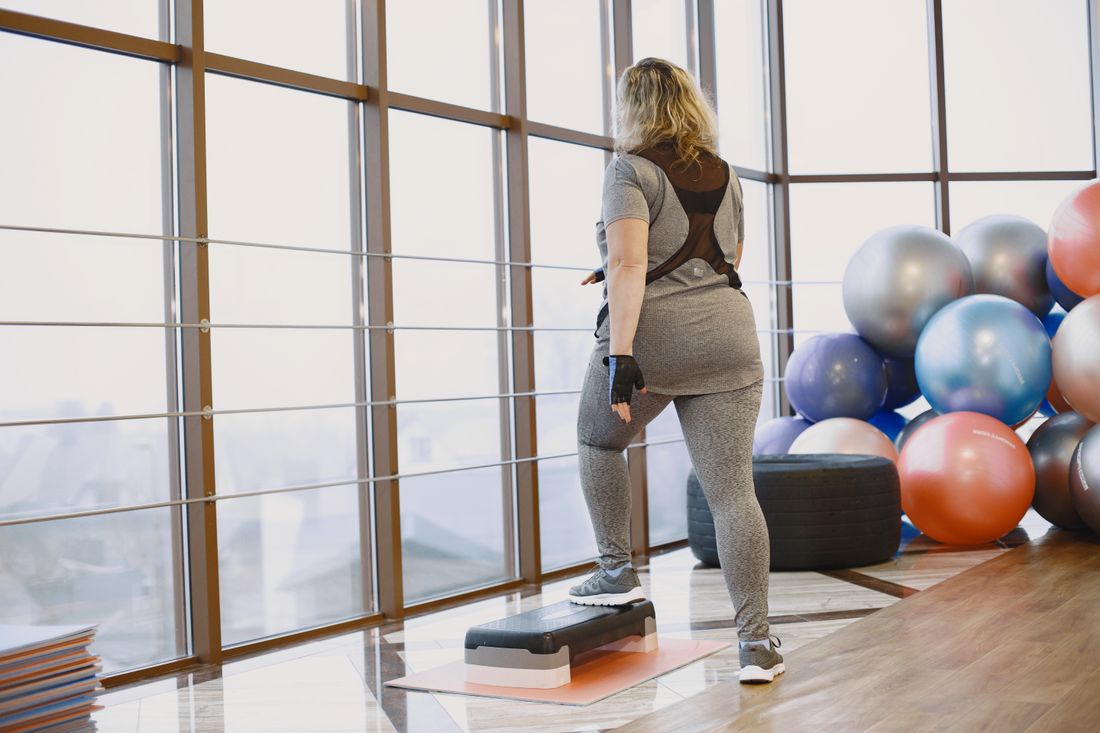
Adding a riser may look like a small equipment adjustment. The body must nevertheless travel a different distance, and a familiar rhythm can become a different task. This guide for Gizem Köymen explains the mechanical meaning of platform height. Rather than recommending one measurement for everybody, it considers why height, movement quality and personal experience need to be assessed together.
Height changes movement geometry
Placing a foot on an elevated surface changes the starting relationship between the leg and trunk. A higher surface generally requires more hip and knee bending from the same person. The visible angles also depend on leg length, distance from the platform and trunk position. Different shapes on the same equipment therefore do not automatically establish that one participant is moving incorrectly.
The change needs to fit the movement range available for the task. Reaching excessively, losing balance or failing to establish adequate foot support are reasons to reassess. Height should not require rushing past unclear contact. A suitable starting condition makes both the rise and return understandable, rather than simply making the platform look more challenging.
Work against gravity has a specific meaning
In a simplified model, the work required to raise a mass against gravity relates to its mass and vertical travel. Moving the same body farther upward can therefore require more mechanical work when other conditions are comparable. A real step class is more complex: different body segments travel differently, and arm movements, rhythm and transitions contribute to the overall task.
This relationship is not a calorie calculator. Mechanical work and metabolic energy expenditure are different quantities. Muscular action, efficiency and session duration also matter. Adding a riser does not guarantee a fixed energy expenditure for every participant. A more useful question concerns the effort and control required at the current rhythm. Answering it needs the participant's experience as well as observation.
Leverage influences joint demand
A force's turning effect around a joint depends on its size and the distance of its line of action from that joint. That distance is described as a moment arm. During stepping, body position and the direction of support forces change. Platform height alone cannot provide an exact measure of knee or hip loading; where and how force is transferred also matters.
Trunk position, foot placement and the distance used when returning to the floor all contribute. Forcing every person into one rigid visual alignment does not explain those relationships. Conversely, claiming that every higher platform is harmful is also too simple. Suitability relates to the individual and the chosen task.
Rising and lowering involve different tasks
During ascent, muscles help produce upward movement against gravity. During descent, downward movement needs to be managed. Muscles can contribute while lengthening under load, known as eccentric action. Returning to the floor is therefore more than reversing a picture. Its speed and the way support is accepted are meaningful parts of the exercise. A downward movement is not automatically an easy movement.
With fatigue, someone may still complete the rise while allowing the return to become faster and less controlled. Altered stepping sounds, extra adjustments on landing or unexpected trunk movement can provide clues. Sound alone is not a load measurement, but it can be considered alongside other observations. Descent quality belongs in decisions about height.
Equipment setup is part of preparation
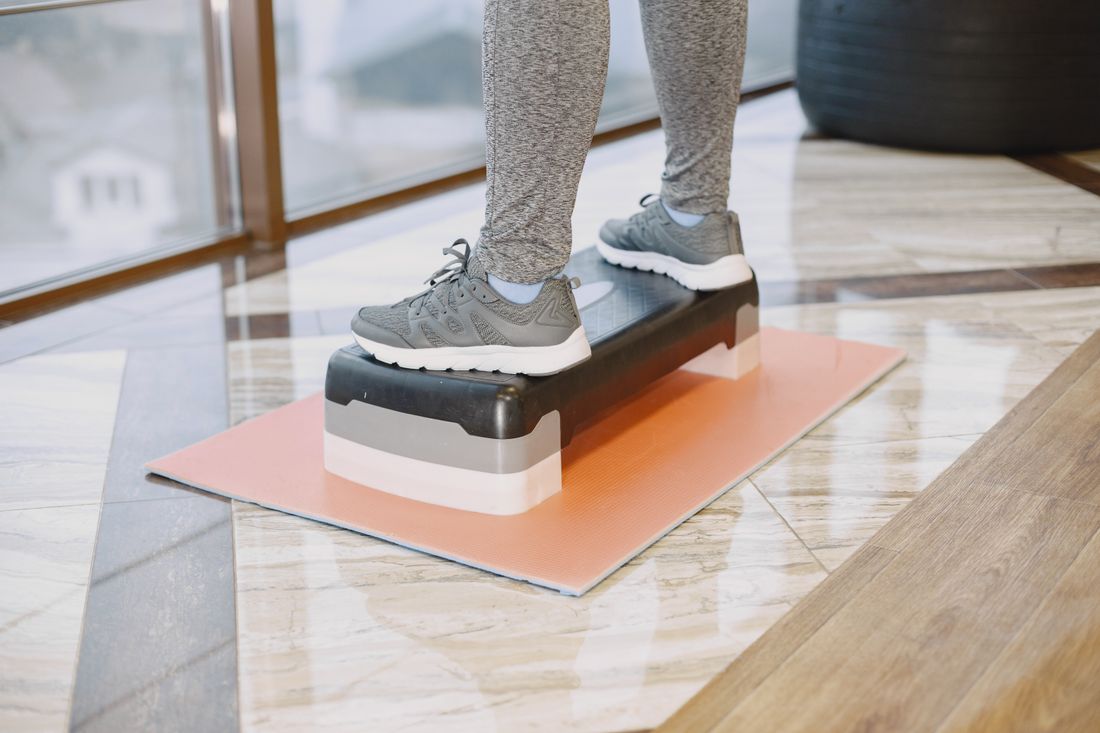
Height changes should use the manufacturer's compatible components and assembly method. Unsuitable risers, an uneven floor or insecure connections should not be treated as a balance challenge. Equipment stability and usable surrounding space need checking after adjustments. Participants also need a clear understanding of where their feet will travel. Uncertainty about setup belongs in the conversation before the exercise begins.
Familiarity with one platform does not guarantee the same experience on another. Surface dimensions, grip and edge design can differ. A decision to use a different height should therefore be considered a response to the conditions, not a judgement about ability or a personal failure.
Make progression easier to interpret
Changing height, tempo, arm range and choreography simultaneously makes it difficult to identify what altered the experience. Keeping other conditions familiar while observing one change can provide a clearer picture. A conversation with Gizem Köymen can focus on controllable stepping rather than matching every participant's riser count. Effort and technique should inform the discussion together.
Marked pain, joint discomfort or an inability to manage balance should not be read simply as proof that the exercise is effective. The task needs to pause or be reassessed, with professional health advice when symptoms persist. More consistent support, a calmer return and a clearer understanding of the existing task are also meaningful forms of technical progress.