About the Class
Getting started includes understanding the bike adjustments, pedal system and stopping controls. Seated and standing sections are discussed in relation to the class being offered. Sharing your cycling experience and how the effort feels can make guidance clearer.
If you enjoy moving to music and are considering a bike-based addition to your routine, we can explore Spinning together. Ask about the current class and practical preparation, then discuss a starting point that fits your expectations.
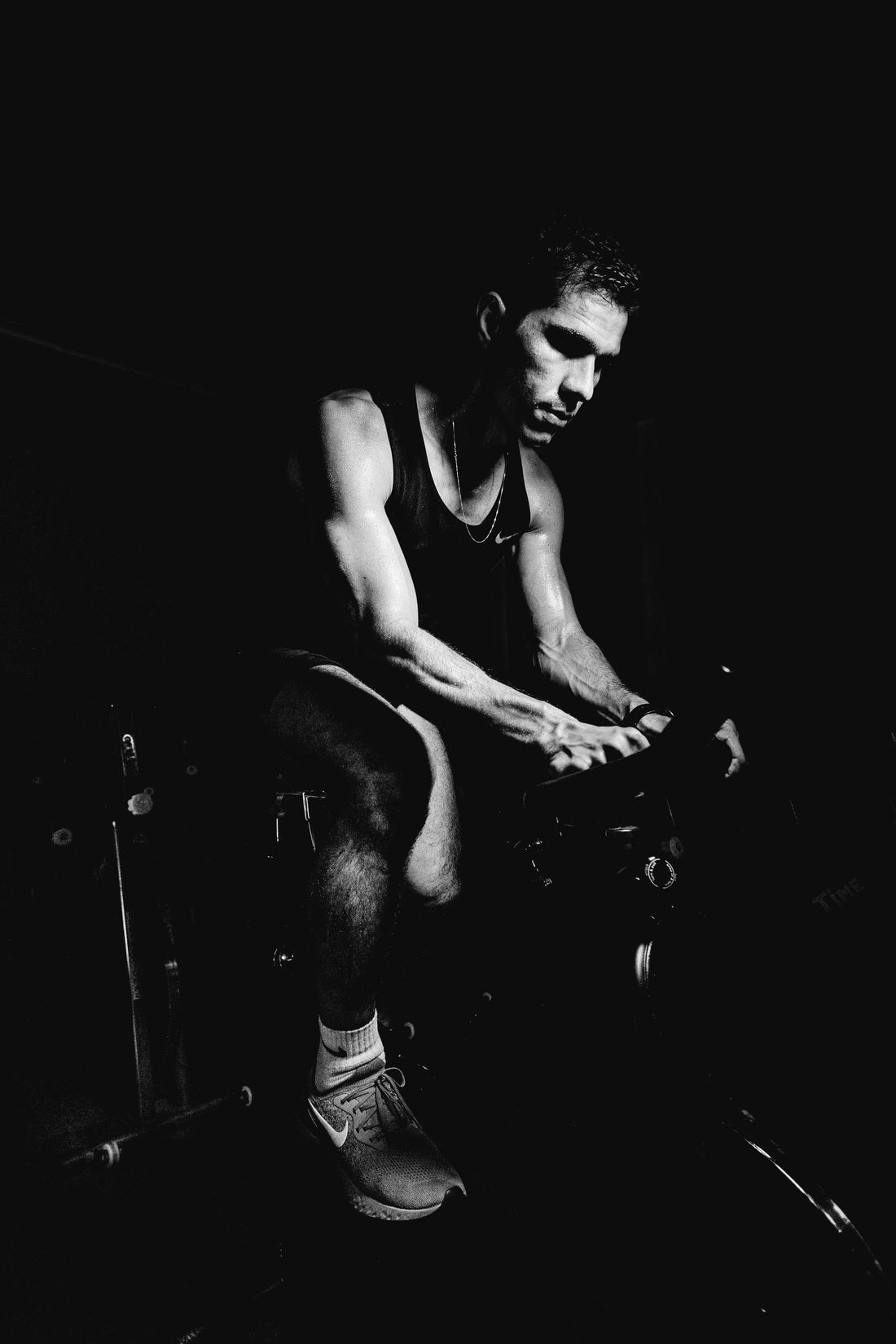
Spinning is an exercise approach performed on a stationary bike, organized around pedalling pace, resistance and the flow of the class. Music can accompany the session without requiring every participant to use identical resistance or report the same effort. When discussing Spinning with Gizem Köymen, you can ask about the current class structure, equipment and how your previous cycling experience relates to getting started. This provides more useful information than judging the session from an energetic promotional image alone.
Learning the bike involves more than sitting on the saddle and starting to pedal. Saddle and handlebar adjustments influence contact points and the pedalling pathway. How adjustment mechanisms lock, how the feet engage with the pedals and how the bike is stopped all need to be understood. There is no universal saddle height or joint angle that applies to every participant. Body dimensions, equipment design and the intended task need consideration together. Asking how these adjustments are checked can help clarify the introductory process.
Some indoor cycles connect the pedals directly to a heavy rotating component. On those models, stopping voluntary foot movement may not immediately stop the system. Other designs use different mechanisms. Habits learned on one bike should therefore not automatically be transferred to another. Understanding the resistance control, brake and any rapid stopping function comes before following a complex class sequence. Moving components need to be considered during stopping and dismounting transitions rather than assuming the equipment behaves like a familiar outdoor bicycle.
Cadence describes the number of pedal revolutions within a given time, while resistance relates to the mechanical load opposed during pedalling. They are separate variables. The same cadence can require different effort at different resistance settings, and similar perceived effort can occur through different combinations. A position on one bike's resistance control does not necessarily represent the same load on another bike. Instruction and a participant's description of effort add context that comparing control settings or cadence numbers alone cannot provide.
Seated and standing work change contact points and weight distribution. Standing is not a compulsory objective in every session; continuing seated may be an option to discuss within the programme offered. Handlebar grip and upper-body behavior also influence the experience. Excessive rigidity or focusing exclusively on a musical beat can obscure how the movement is being organized. Breathing, perceived effort and clear transitions can be considered together. Watching another participant's posture does not establish the setting that someone else should use.
Demand can change through resistance, the duration of a work segment and the distribution of simpler or recovery sections, as well as through pedal speed. Increasing every variable simultaneously is not a required model of progression. Options can be discussed in relation to experience and the person's response that day. Water access, ventilation, comfortable clothing and footwear appropriate to the equipment are practical questions to raise alongside scheduling and preparation details.
When considering Spinning, share whether you enjoy moving to music, what cycling experience you have and which questions matter to you. Another participant's resistance or apparent pace is not a sufficient basis for deciding how to take part. Pain, dizziness or unusual symptoms should not be regarded as proof of a successful session; activity can be stopped while appropriate assessment is sought. Request information about the current programme, introductory process and participation options before planning your first class.
What Do We Focus On?
- Bike adjustments and stopping controls
- The relationship between cadence and resistance
- Pedalling pathways and contact points
- Seated and standing movement options
- Awareness of effort and class transitions
- A session shaped around individual experience
Your Starting Point
An option for people curious about working on a bike and following a rhythmic class flow. Share your experience to ask about equipment, resistance guidance and participation options.
A Little Preparation Before Class
- Choose comfortable sportswear that lets you move freely.
- Bring water and ask about any class-specific equipment or preparation when arranging your session.
- Share your previous movement experience and class goals when we first talk.
Ask about current class times, options and prices in your enquiry.