What to Know
Thinking about movement with Gizem Köymen can include the rest of the day, not only time spent in a class. Advice about desk-based life often centres on finding the perfect sitting position. Yet a photograph cannot explain an entire working day. Considering posture variety and movement opportunities in context offers a broader perspective than trying to maintain one position at every moment.
Posture is a moment; a working day is a process
Posture describes the arrangement of body parts at a particular time. Typing, listening to a meeting and examining something on a screen are different tasks. Body position may change with them. One image cannot establish someone's complete working habits, comfort or needs. The duration and purpose of a task matter alongside the position shown in that moment.
This does not mean position is irrelevant. Support surfaces, the viewing area and working tools can influence the experience. However, treating one appearance as correct for everyone removes the context. An arrangement that suits one person's dimensions, task and preferences may not suit another's. Useful observation goes beyond matching a body to a single visual rule.
Support conditions interact with the task
A chair, desk, screen and other devices shape the relationship between the person and the environment. Moving closer to read or turning toward another document may relate to what the task requires. Rather than looking only at body shape, ask what the person is trying to do. Attention, visibility and reaching requirements belong in the same discussion.
Support is not simply about holding one body part at an exact angle. Contact surfaces and the arrangement of tools work together. If a change to the workspace is being considered, clarify which task it is meant to support. Describing an item as ergonomic does not establish an identical result for every person and every job.
Variety does not require constant repositioning
Posture variety means having room for different positions and tasks across the day. Options to sit and stand may be one example, but standing is not a complete solution on its own. Replacing one fixed position with another does not automatically create a varied movement experience. The relevance of a change depends on the wider working context.
The aim is not to monitor your body continuously. Repeatedly checking whether you are positioned correctly can turn ordinary work into another performance task. Instead, consider where other options exist and whether they are practical. Noticing available choices differs from trying to correct the body at every moment, and that distinction helps make the idea more manageable.
A movement break is also a workflow question
A movement break can be understood as stepping away from one task toward another movement or position. A general article cannot establish an exact frequency or duration that suits everyone. Meetings, concentration-heavy work, available space and individual circumstances change what is practical. A plan needs to fit a real day rather than an idealised timetable.
Existing transitions can provide useful information: finishing a task, a gap between meetings or work that already involves changing location. These are observations about opportunities, not a compulsory exercise list. The form of a break depends on the environment and the person's circumstances. An ambitious plan proving impractical should not automatically be interpreted as a personal failure.
A class and a working day are different tasks
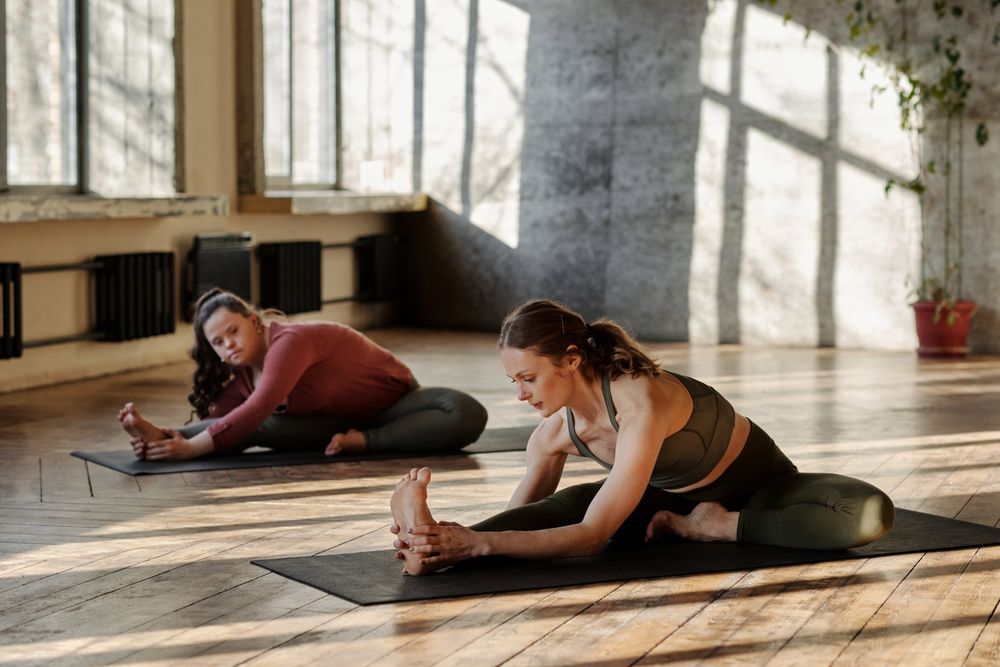
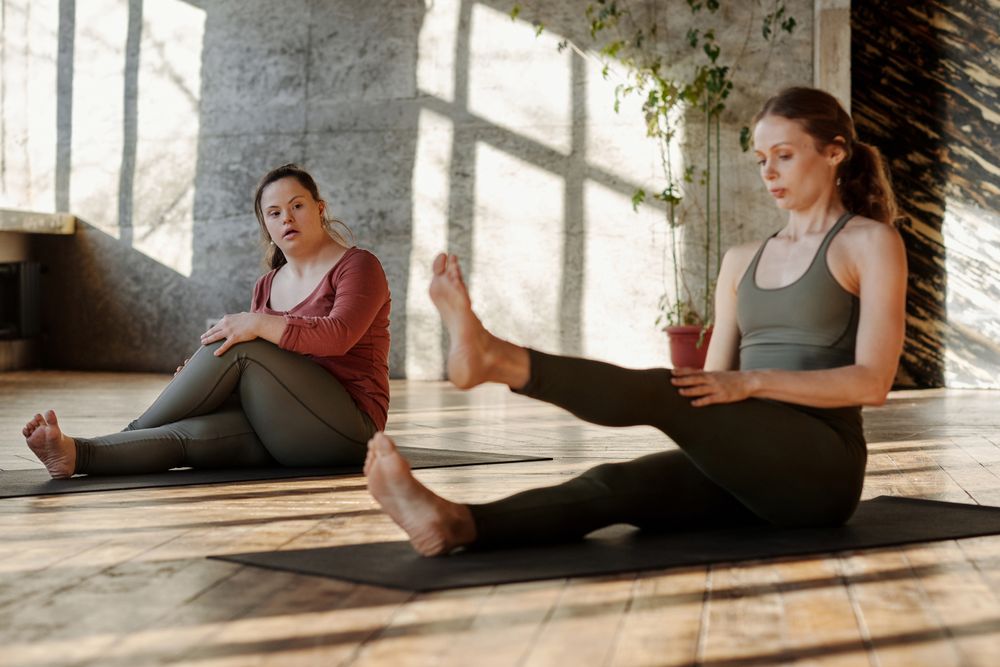
Mat Pilates instructions are given for particular activities and purposes. A body relationship explored in class is not automatically something to maintain unchanged throughout the day. Working on a mat and looking at a screen involve different demands. When translating class language into everyday life, ask which context the explanation originally addressed and what can reasonably be carried across.
Avoid treating posture photographs as a complete explanation for individual symptoms such as pain. A picture cannot establish a diagnosis or treatment. Persistent personal concerns need appropriate assessment. The role of general education is to make daily choices and questions clearer, not to explain every aspect of an individual's circumstances from a distance.
Turn observations into a practical conversation
When describing your day, note the longest tasks, the tools involved and opportunities to change location. Sharing what feels straightforward and what is constrained provides more information than saying you have bad posture. The aim is not a flawless sitting report. It is a clearer description of the actual conditions shaping your working experience.
From there, practical options and ways of reviewing them can be discussed. Which constraints matter, what changes are possible and how would you describe the experience afterward? Avoid assuming everyone needs the same desk arrangement or break schedule. Considering choice and context together offers a more realistic beginning than looking for one universally correct position.