What to Know
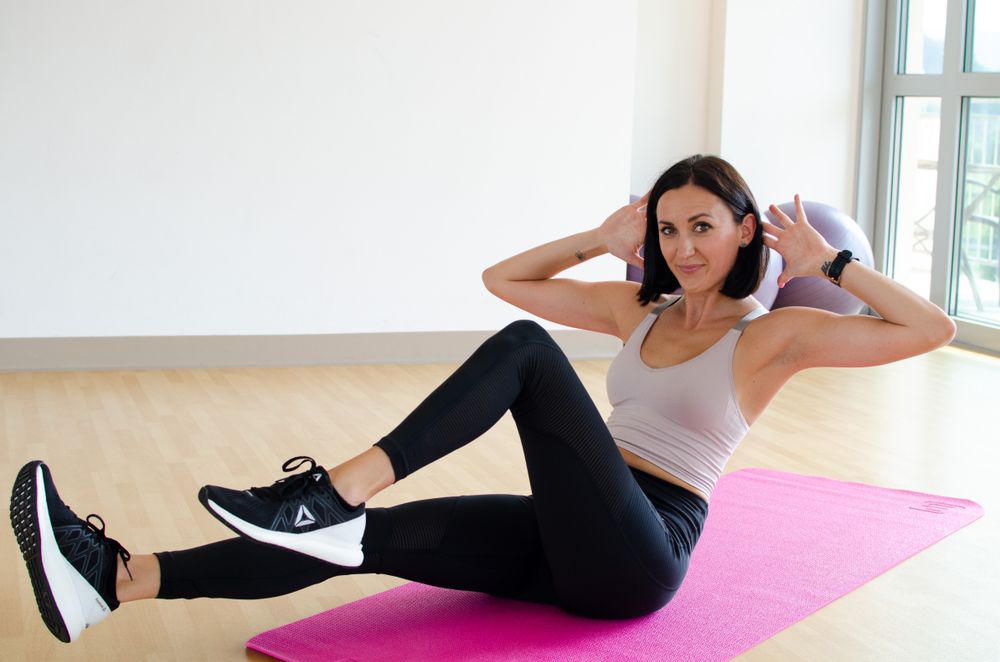
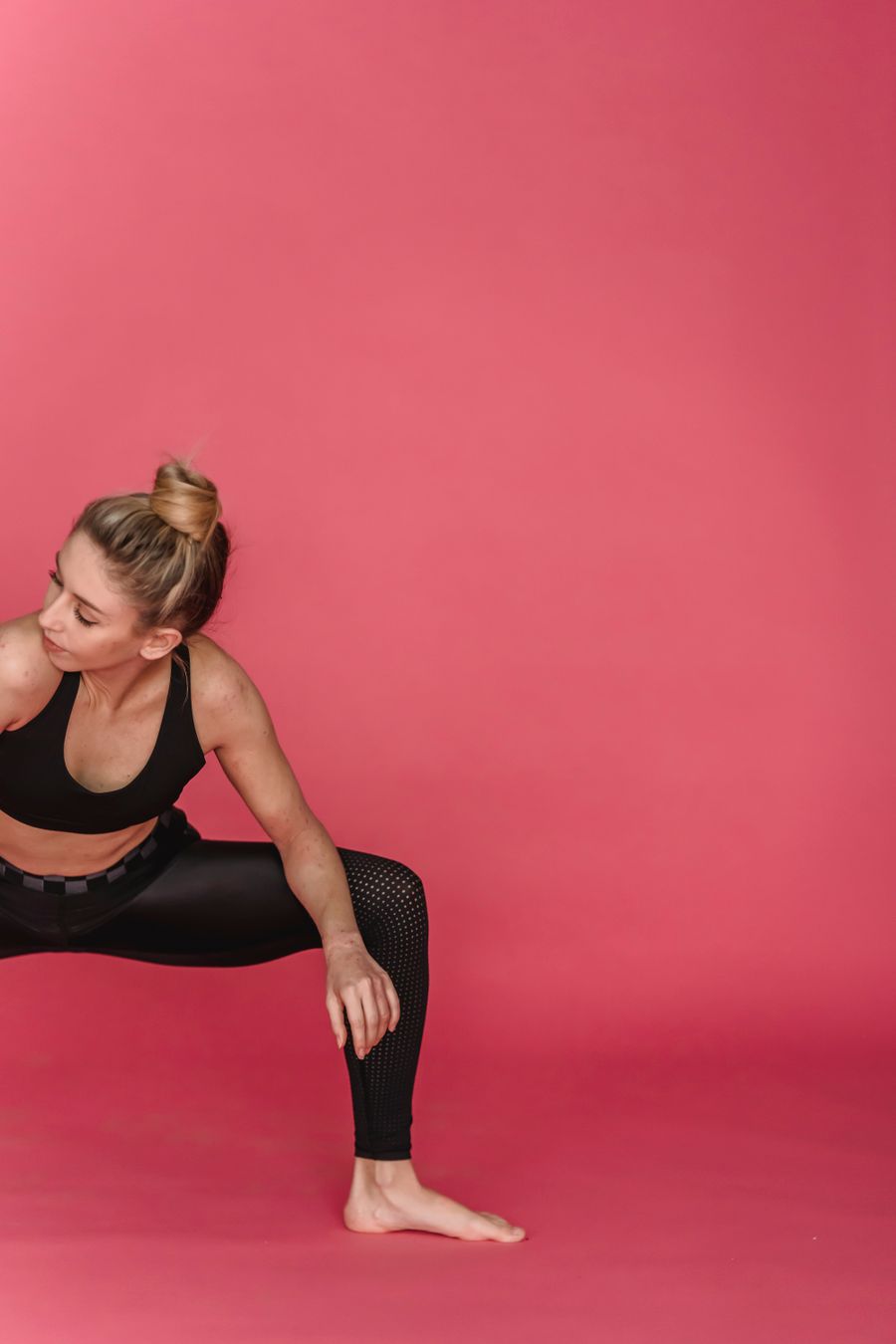
When exploring Hips & Legs with Gizem Köymen, understanding movement names can be more useful than copying the shape of an exercise. Hip abduction and hip extension occur at the same joint, but describe different directions. The distinction is not a ranking of better and worse exercises. It provides a clearer way to understand a class, its instructions and the equipment involved.
Two terms describe different directions
Abduction means moving the thigh away from the body's midline. Moving a leg sideways is a familiar example. Extension describes the thigh moving backward relative to the trunk and pelvis. The important reference is the relationship between the thigh and pelvis, rather than where the foot travels around the room. Changing the body's position does not erase that anatomical distinction.
Abduction is commonly described in the frontal plane, while extension is described in the sagittal plane. These are useful reference planes, not rigid boundaries for every real movement. A thigh can move sideways while also rotating or moving slightly forward. When several actions occur together, it helps to name the particular component being discussed.
Muscle contribution is more than one label
Gluteus medius and gluteus minimus contribute importantly to hip abduction, and tensor fasciae latae can contribute as well. Gluteus maximus and the hamstrings are among the muscles involved in hip extension. Naming these muscles does not mean that one works alone or that all other muscles become inactive during the exercise.
Joint position, knee position, external loading and the direction of movement influence how muscles contribute. Two activities sharing the same movement name can therefore feel different. A photograph labelled with a single muscle cannot explain the full task. Anatomy supports understanding, but a one-muscle explanation often leaves out the coordination required by the movement.
Why the pelvis changes what you see
As the leg moves sideways, the pelvis may tilt; as it moves backward, pelvic position and the appearance of the lower back may change. A larger visible movement is not necessarily coming entirely from the hip joint. This observation does not make every accompanying movement a mistake. The purpose of the activity determines which relationships are relevant.
Control also does not mean keeping every body part still in every situation. One task may involve limiting pelvic movement, while another deliberately involves the whole body. Asking what an instruction is trying to maintain is more informative than assuming stillness is always the goal. Visible range alone cannot establish an individual's joint structure or movement capacity.
Resistance direction changes the task
Gravity, an elastic band or another piece of equipment can apply force in different directions. Even when the movement name stays the same, changing that force changes the task. Support points, body position and the weight of the leg also matter. Two photographs are not necessarily mechanically equivalent simply because the legs point in the same direction.
The external force's moment arm relative to the hip affects its turning effect around the joint. You do not need to calculate this to appreciate the principle: the same load in a different position can create a different demand. A thicker band or a larger movement is therefore not automatically a better choice across all tasks.
Replace appearance promises with useful questions
Hips & Legs describes a regional emphasis, not a guaranteed shape, measurement or timetable for change. Connecting abduction only with one visual feature and extension with another narrows the learning opportunity. Understanding the movement's name and purpose offers firmer information than relying on transformation photographs or short social media clips.
Before joining, ask which movements are included, what the equipment changes and how instructions are explained. When describing your experience, mention the position and the instruction you found unclear, rather than only where you felt effort. General education cannot determine personal suitability; individual circumstances still need to be considered separately.
Bring a learning goal to the first class
You do not need to memorise every muscle before attending. Knowing that abduction and extension describe different directions is a useful starting point. Ask about clothing, equipment and preparation in advance. Writing down unfamiliar terms may be more helpful than practising an exercise independently just to feel prepared for the appointment.
Afterward, consider whether the directions were clearer, whether the explanations were understandable and whether you could express your questions. Rather than comparing movement size with another person, reflect on what you learned. This gives the experience a broader meaning than repetitions alone and helps you consider how the class fits your interests.